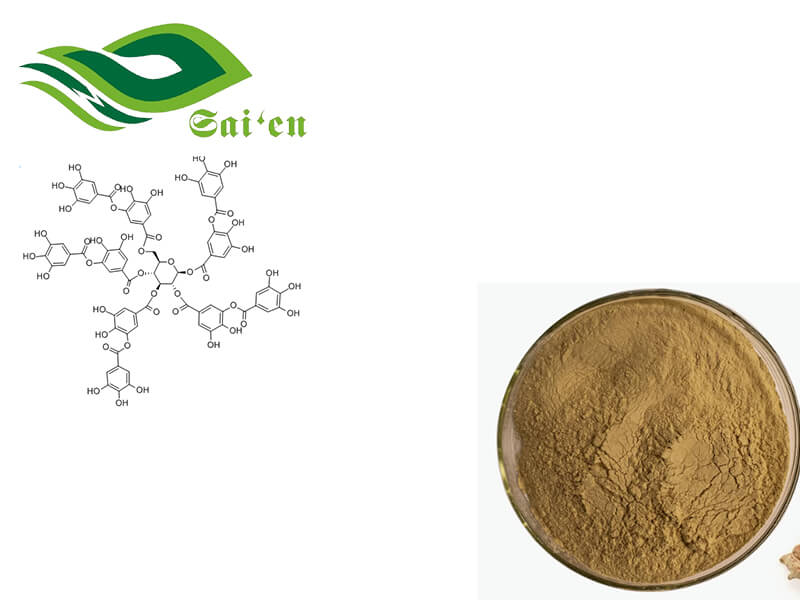
Tannic Acid powder is an ester substance formed by the combination of five hydroxyl groups of glucose and galloyl galloyl. The molecular weight is about 1701.2 g/mol.
Tannic acid originates from plants in nature and is commonly found in plant roots, stems, leaves and fruits. It is highly favored due to its unique chemical properties. It plays an important role in nutrition and is widely used in tea and red wine. Tannic acid not only enriches the taste experience, but also has health benefits.
| Specification | Food grade | ||
| executive standard | FCC-IV | ||
| content | ≥93% | ≥96% | ≥98% |
| loss on drying | ≤9% | ≤9% | ≤9% |
| water insoluble | ≤0.2% | ≤0.1% | ≤0.1% |
| ignition residue | ≤0.1% | ≤0.1% | ≤0.1% |
| heavy metal | 20ppm | 15ppm | 10ppm |
| arsenic | <3ppm | <3ppm | <3ppm |
| lead | <5ppm | <5ppm | <5ppm |
| mercury | <1ppm | <1ppm | <1ppm |
| gallic acid | ≤4% | ≤2.5% | ≤0.75% |
Tannic AcidCAS 1401-55-4 is a class of complex high molecular weight polyphenol compounds.
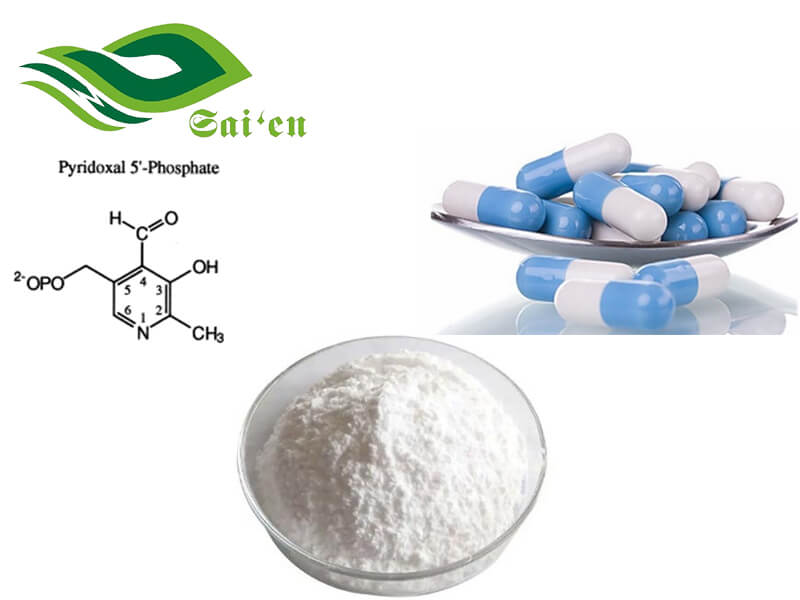
Feature Pyridoxal-5-phosphate (PLP) is the active form of vitamin B6, and it is a coenzyme form, which means that the body can absorb it directly…
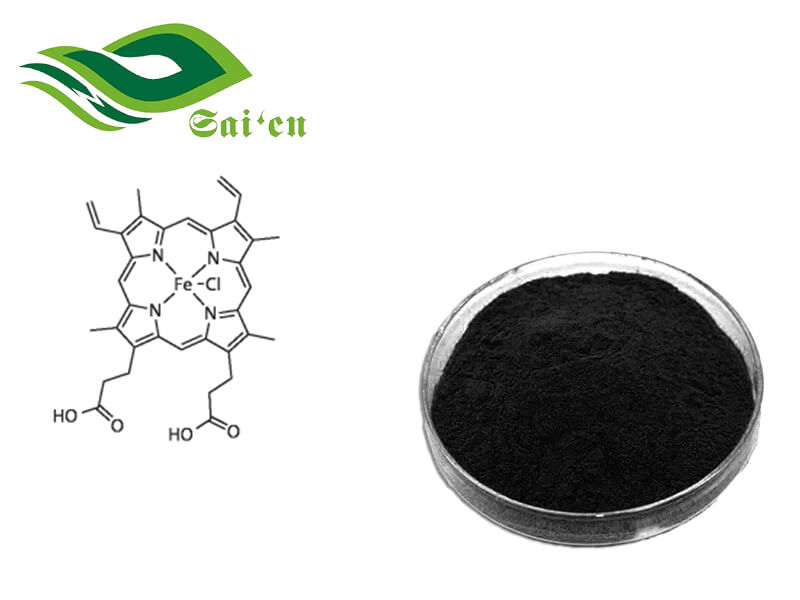
Feature Hemin is a metal porphyrin compound, composed of a molecule of ferrous iron and protoporphyrin complex, and is an in vitro group substitute of…
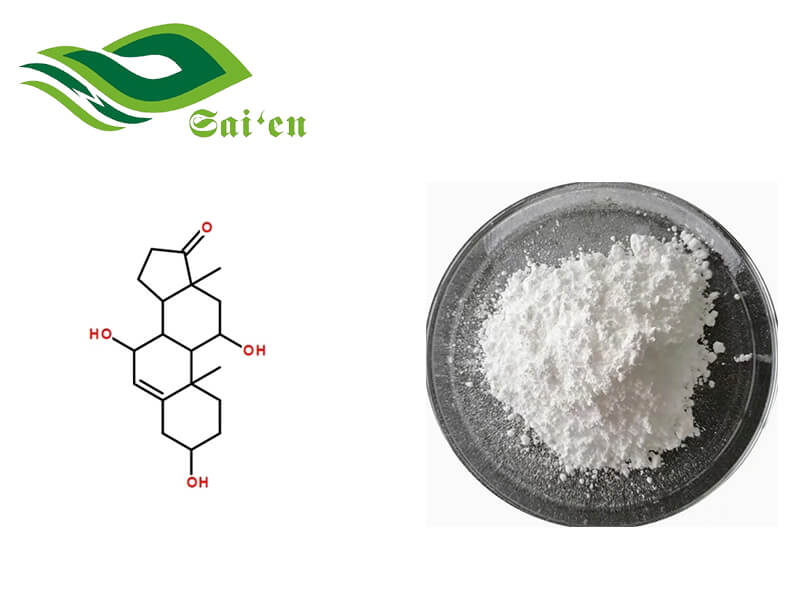
Pregnenolone is a neurosteroid produced naturally by the human body, mainly synthesized in the adrenal glands, brain and gonadal organs.
